
How to Build a Long-Term Souvenir Supply Chain in China
author: DP58
2026-10-22
How to Build a Long-Term Souvenir Supply Chain in China
Primary keyword: souvenir supply chain
Secondary keywords: long-term souvenir supplier, China souvenir manufacturing partner, souvenir procurement strategy
Intent: Commercial investigation — buyers looking to establish stable, repeatable sourcing
Secondary keywords: long-term souvenir supplier, China souvenir manufacturing partner, souvenir procurement strategy
Intent: Commercial investigation — buyers looking to establish stable, repeatable sourcing
Introduction
Most souvenir buyers start with a single order. The smart ones build a supply chain.
The difference matters. A one-off purchase gets you product. A well-built supply chain gets you consistent quality, predictable lead times, better pricing, and a partner who understands your brand. For gift shops, museums, theme parks, and destination retailers, the souvenir supply chain is not a back-office detail — it is a competitive advantage.
This guide explains how to move from transactional buying to a long-term souvenir supply chain in China, including the systems, relationships, and safeguards that make it work.
1. Start With a Supplier Audit, Not a Price List
Before committing to a long-term relationship, evaluate your candidate suppliers on capability rather than quotation.
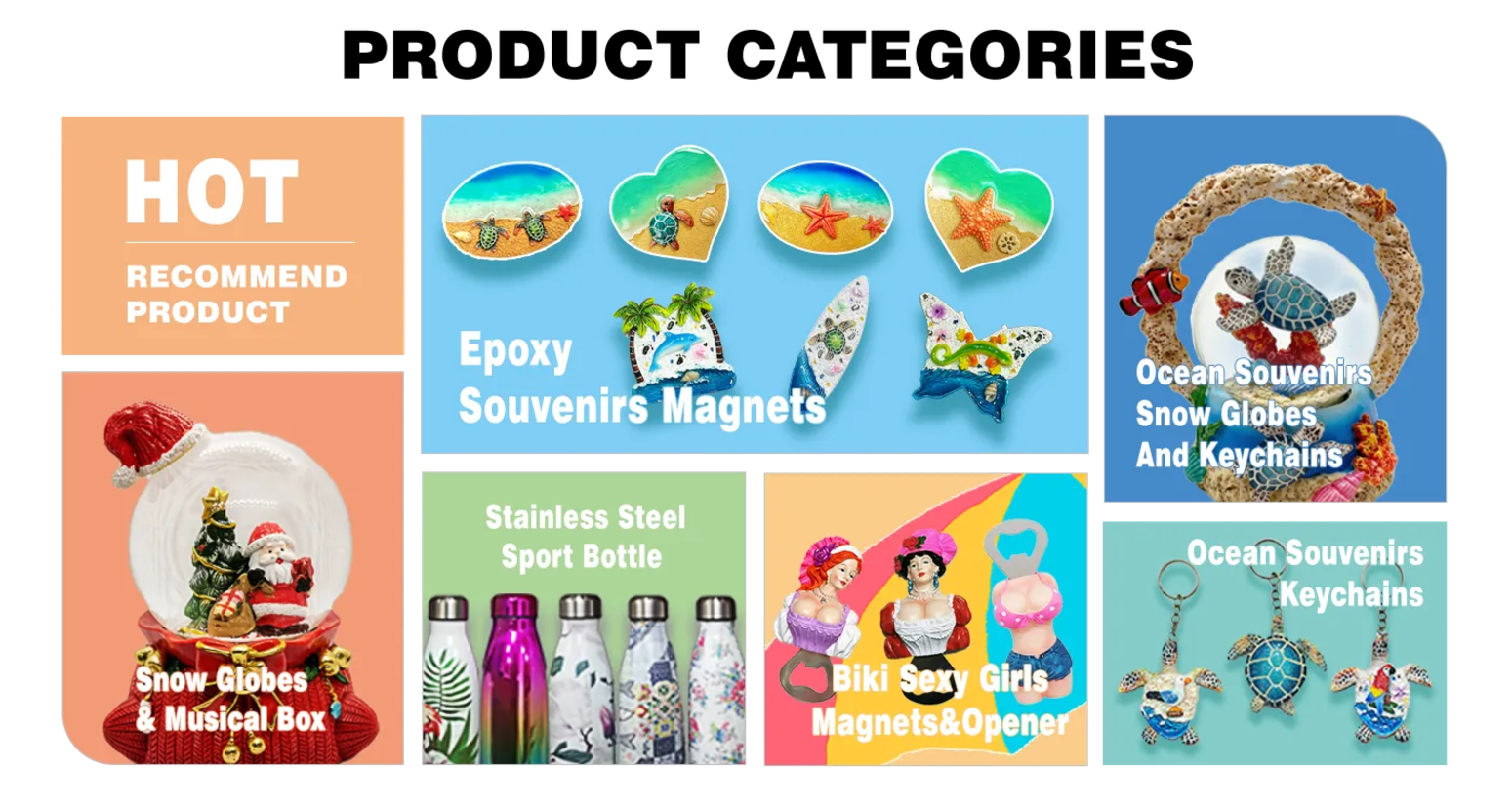
What to audit:
-
Production capacity — Can they handle your peak season volume without subcontracting?
-
Product specialization — Do they actually make fridge magnets, polyresin figurines, ceramic mugs, and snow globes, or do they broker everything?
-
Quality systems — Is there a documented inspection process, or is QC informal?
-
Export experience — Have they shipped to your market before? Do they understand your compliance requirements?
-
Financial stability — A supplier that disappears mid-order is a supply chain risk, not a partner.
A structured audit — ideally with a factory visit or third-party verification — replaces guesswork with evidence.
2. Define Your Product Architecture
A durable supply chain is built around a defined product architecture, not a random assortment.
Segment your range into three tiers:
-
Core products — evergreen items you reorder continuously (classic fridge magnets, standard polyresin figurines). These need a stable, high-capacity supplier.
-
Seasonal products — items tied to holidays, events, or tourist seasons. These need flexible lead times.
-
Development products — new designs and custom collections. These need a supplier with strong prototyping and design support.
Mapping your range this way tells you whether you need one strategic partner or a small panel of specialized suppliers.
3. Build a Supplier Panel, Not a Single Dependency
Single-sourcing is efficient until it fails. A resilient souvenir supply chain usually includes:
-
One primary supplier for core volume and relationship depth
-
One or two secondary suppliers for overflow, backup, and price benchmarking
-
Specialist suppliers for categories outside your primary partner's strength
The goal is not to spread orders thin, but to ensure that a capacity crunch, quality issue, or factory disruption does not stop your business.
4. Formalize Quality Standards Early
Long-term supply chains fail on quality drift, not on the first order. Prevent it with documentation.
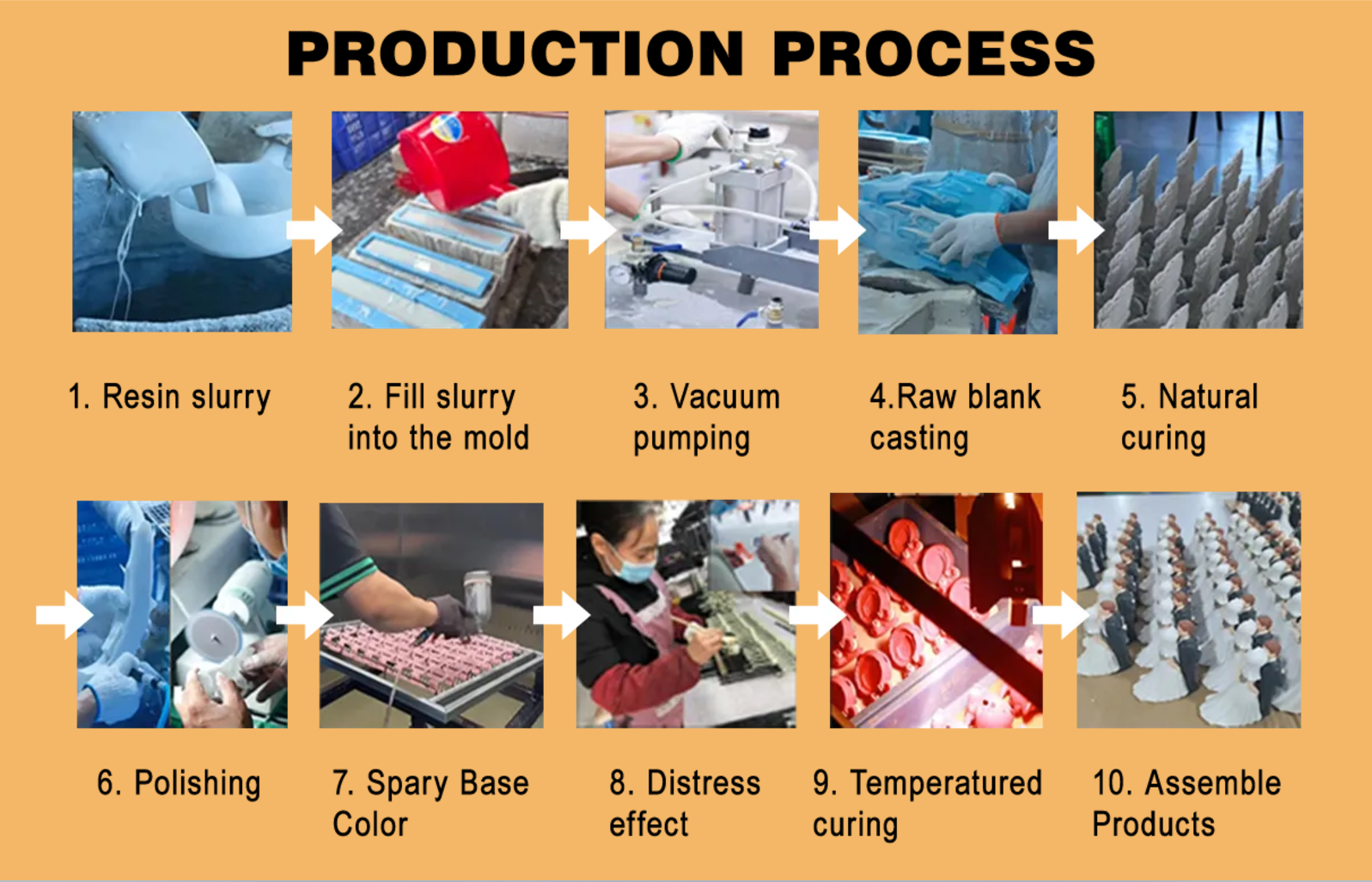
Put in place:
-
A written product specification for every SKU (materials, dimensions, colors, finish, packaging)
-
An approved golden sample signed by both parties
-
A defined AQL inspection standard and inspection points (pre-production, during production, pre-shipment)
-
A documented process for handling defects, rework, and claims
When standards are written down, quality becomes a system rather than a negotiation.
5. Agree on Commercial Rhythm
Predictability is what earns you better terms. Suppliers prioritize buyers who plan.
Establish a commercial rhythm:
-
Annual volume forecast shared with your supplier
-
Quarterly rolling forecast for capacity planning
-
Reorder triggers (stock thresholds or sales velocity)
-
Payment terms that reward reliability
-
Price review cadence tied to material costs, not ad hoc renegotiation
Suppliers invest in buyers who give them visibility. That investment shows up as priority scheduling and better pricing.
6. Invest in Communication Infrastructure
Most supply chain problems are communication problems.
Build simple infrastructure:
-
A single point of contact on both sides
-
A shared order tracking sheet or system
-
A standard order confirmation format (specs, quantities, lead times, packaging, shipping terms)
-
A weekly or biweekly production status update
-
A documented escalation path for delays
Clarity compounds. So does ambiguity.
7. Plan Logistics as Part of the Chain
Your supply chain extends beyond the factory gate. Decide early:
-
Shipping mode — sea freight for volume, air for urgent or high-value items
-
Incoterms — FOB, CIF, or DDP depending on your logistics capability
-
Consolidation — whether to combine multiple suppliers' goods into one shipment
-
Inventory buffer — how much safety stock to hold for your peak season
Buyers who treat logistics as an afterthought pay for it in stockouts and expedited freight.
8. Review and Renew Annually
A long-term supply chain should be reviewed, not assumed.
Annual review checklist:
-
On-time delivery rate
-
Defect and claim rate
-
Price competitiveness versus market
-
Responsiveness and problem-solving
-
Capacity to support your growth
Use the review to renew, renegotiate, or replace. Loyalty is valuable — but only when it is earned and measured.
Conclusion
A long-term souvenir supply chain in China is built deliberately: audit before you commit, define your product architecture, build a supplier panel, formalize quality, create a commercial rhythm, invest in communication, plan logistics, and review annually.
Do this, and sourcing stops being a series of stressful transactions. It becomes an operating system for your souvenir business.
Key takeaways:
-
Audit suppliers on capability, not just price
-
Segment products into core, seasonal, and development tiers
-
Avoid single-supplier dependency
-
Document quality standards and golden samples
-
Share forecasts to earn priority and better pricing
-
Review supplier performance annually
How to Create Custom Souvenirs From Your Own Design
How to Order Souvenirs From China for the First Time
