From Idea to Finished Product: How Custom Souvenirs Are Made
author: DP58
2026-10-22
From Idea to Finished Product: How Custom Souvenirs Are Made
Primary keyword: how custom souvenirs are made
Secondary keywords: custom souvenir production process, souvenir manufacturing steps, souvenir product development
Intent: Informational — buyers and product developers understanding the manufacturing journey
Secondary keywords: custom souvenir production process, souvenir manufacturing steps, souvenir product development
Intent: Informational — buyers and product developers understanding the manufacturing journey
Introduction
Every custom souvenir begins as an idea and ends as a product on a shelf, in a museum shop, or in a tourist's suitcase. Between those two points lies a manufacturing process most buyers never see — and misunderstanding it is the root of most scheduling, cost, and quality problems.
This article walks through how custom souvenirs are actually made, step by step, from concept to finished product. It is written for gift shop owners, museum buyers, attraction merchandisers, and brand managers who want to work with manufacturers effectively.
1. Concept and Brief
The process starts with a brief. A good brief answers:
-
What is the product? (fridge magnet, figurine, mug, snow globe, bag, etc.)
-
Who is the end customer?
-
What is the target retail price?
-
What quantity is needed?
-
What is the launch date?
-
What are the brand and design requirements?
-
What packaging is required?
Vague briefs produce vague quotes. A detailed brief lets the manufacturer recommend the right process, material, and price point.
2. Design and Development
Depending on the product, design work may include:
-
2D artwork for printed products
-
3D sculpting for figurines, reliefs, and shaped items
-
Structural design for packaging and multi-part products
-
Material selection based on durability, cost, and appearance
This stage often involves several rounds of revision. It is cheaper to iterate in design than in tooling.
3. Prototyping
A prototype turns the design into something physical.
Prototype methods:
-
3D printing — fast, useful for form and scale
-
CNC machining — precise, useful for rigid parts
-
Hand sculpting — common for polyresin and ceramic prototypes
-
Mock-ups — printed or assembled representations for packaging and layout
Prototypes are reviewed for shape, proportion, color, and finish. Feedback here shapes the final product.
4. Tooling and Mold-Making
Once the design is approved, production tooling is created.
Typical tooling includes:
-
Injection molds for plastic components
-
Silicone or metal molds for polyresin casting
-
Print screens for screen printing
-
Engraving plates for laser or embossing work
-
Decal templates for ceramic decoration
Tooling is a fixed cost and a fixed lead time. Buyers should confirm cost, ownership, and production timeline before committing.
5. Sampling and Approval
Before mass production, a production sample is made using the actual process and materials.
This sample is evaluated for:
-
Color accuracy against Pantone references
-
Surface finish and defect level
-
Dimensional accuracy
-
Weight and feel
-
Packaging fit and printing
Once approved, the sample is signed and becomes the golden sample — the reference standard for the entire production run.
6. Material Preparation
Different products require different material preparation:
-
Polyresin — resin mixing, pigment addition, and casting preparation
-
Ceramic — clay body preparation, glazing, and kiln scheduling
-
Textiles — fabric cutting and print preparation
-
Metal — sheet cutting, stamping, and polishing preparation
Material quality at this stage determines durability and appearance in the final product.
7. Production
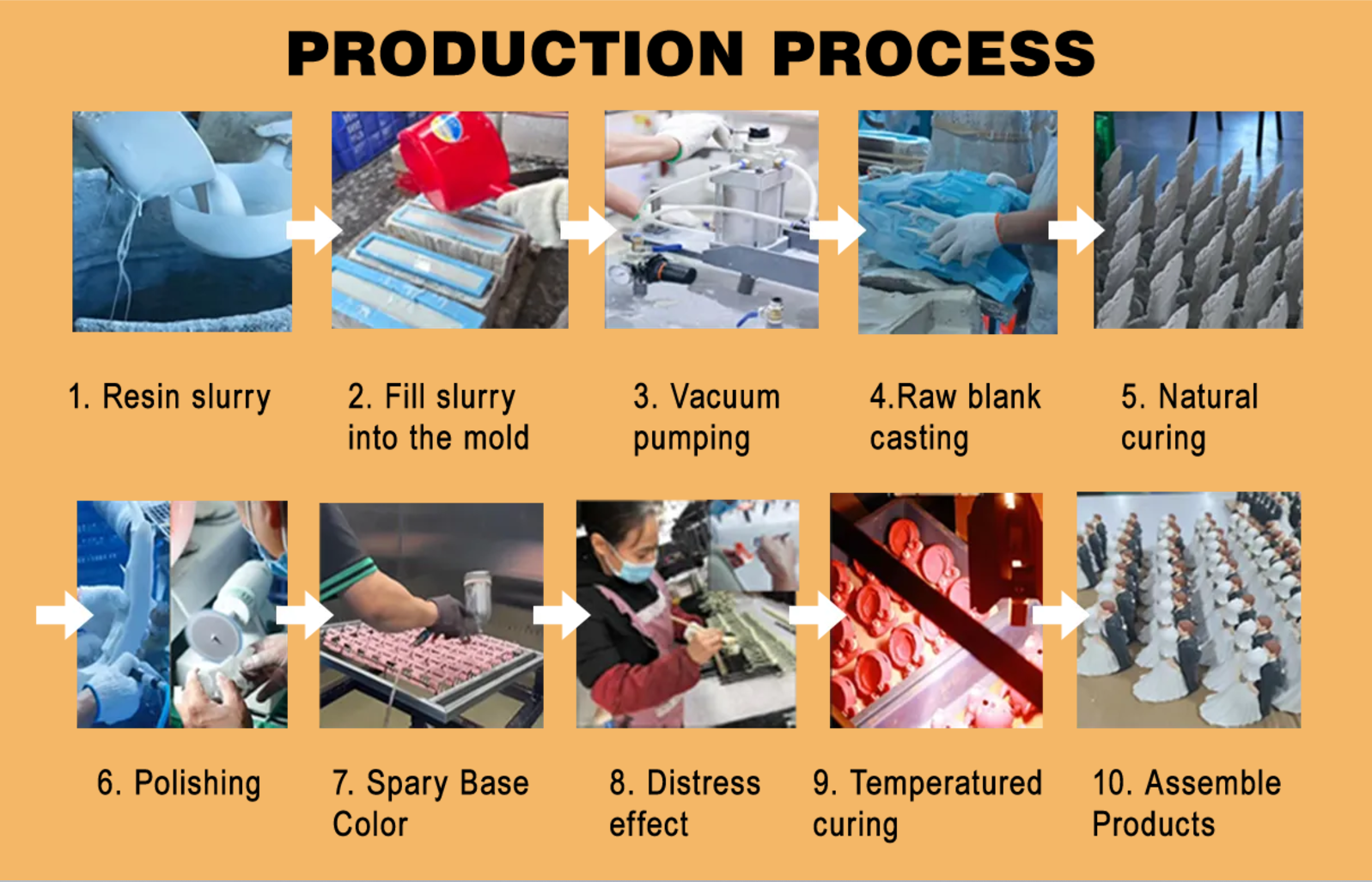
Production methods vary by product category:
-
Casting — polyresin figurines and reliefs poured into molds, cured, demolded, and finished
-
Printing — artwork applied to magnets, mugs, bags, and flat products
-
Decoration — decals applied and fired onto ceramics; painting and detailing on resin
-
Assembly — multi-part products combined (e.g., snow globes with base and dome)
Production is where volume, consistency, and process control matter most. In-line inspection during this stage catches problems before they multiply.
8. Quality Control
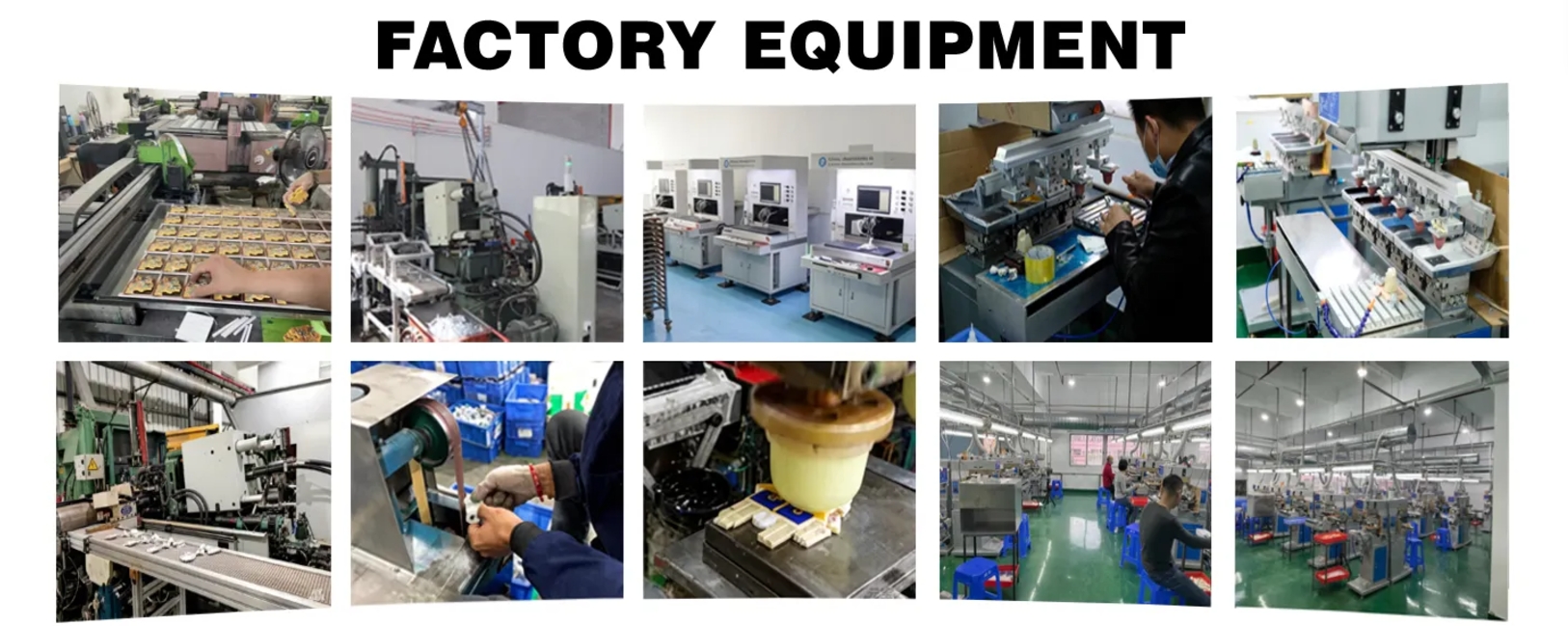
Quality control typically happens at three points:
-
Incoming material inspection — checking raw materials and components
-
In-line inspection — monitoring production for defects and consistency
-
Pre-shipment inspection — final check against the approved sample and specification, usually using an AQL standard
Buyers should agree on the inspection standard in advance and, for larger orders, consider third-party inspection.
9. Packaging
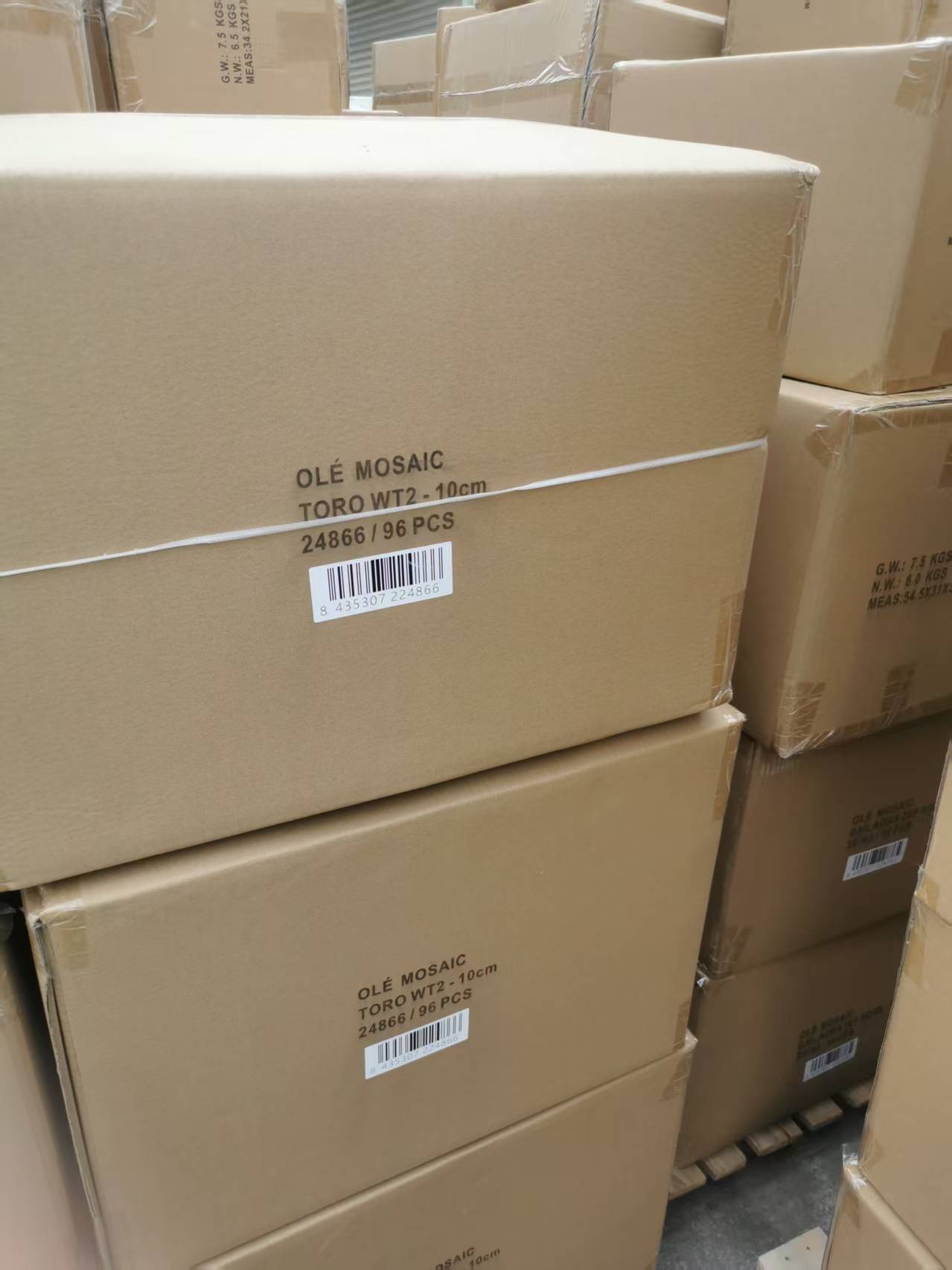
Packaging is part of the product, not an afterthought. It includes:
-
Primary packaging — polybags, boxes, blister packs
-
Printed packaging — branded boxes, sleeves, labels, barcodes
-
Protective packaging — inserts, foam, dividers for fragile items
-
Retail-ready features — hang tags, display-ready boxes
Packaging affects shipping cost, damage rates, and retail presentation. Specify it early.
10. Shipping and Delivery
The final stage moves product from factory to destination:
-
Consolidation of multiple SKUs or suppliers
-
Export documentation and compliance checks
-
Freight by sea, air, or rail depending on urgency and volume
-
Customs clearance in the destination market
-
Final delivery to warehouse, store, or distributor
Lead time from production completion to delivery should be built into the launch plan.
Conclusion
How custom souvenirs are made is a sequence: concept, design, prototyping, tooling, sampling, material preparation, production, quality control, packaging, and shipping.
Understanding this sequence gives buyers three advantages: realistic timelines, accurate budgets, and better products. The buyers who succeed are the ones who engage with the process — not just the price.
Key takeaways:
-
A detailed brief is the foundation of a good product
-
Iterate in design, not in tooling
-
Always approve a physical sample before mass production
-
Confirm tooling cost, ownership, and lead time upfront
-
Agree on QC standards and inspection points in advance
Treat packaging and logistics as part of product development
How to Create Custom Souvenirs From Your Own Design
