
How to Create Custom Souvenirs From Your Own Design
author: DP58
2026-10-22
How to Create Custom Souvenirs From Your Own Design
Primary keyword: custom souvenirs from your own design
Secondary keywords: custom souvenir manufacturing, design-to-product souvenirs, private label souvenirs
Intent: Transactional — buyers with a design ready, looking for production
Secondary keywords: custom souvenir manufacturing, design-to-product souvenirs, private label souvenirs
Intent: Transactional — buyers with a design ready, looking for production
Introduction
You have a design. Maybe it is a finished artwork, maybe it is a rough sketch, maybe it is a concept in your head. The question is how to turn it into a finished custom souvenir — at the right quality, the right cost, and the right volume.
Creating custom souvenirs from your own design is entirely achievable, but the process has more steps than most buyers expect. This guide walks through the full journey from design file to delivered product, so you know what to prepare, what to ask, and where problems usually appear.
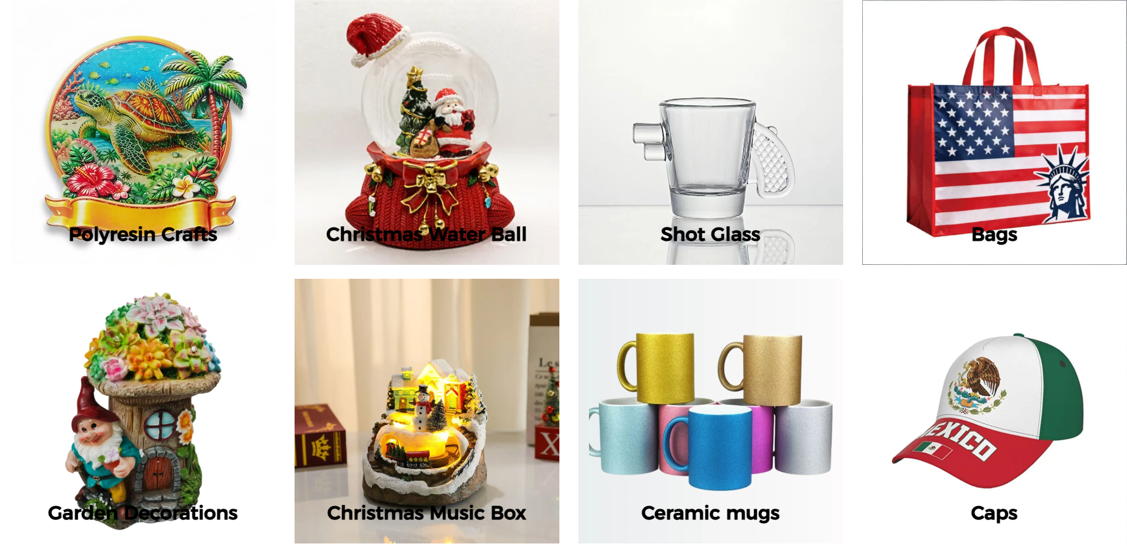
1. Understand What "Your Own Design" Can Mean
Suppliers can work from several starting points. Knowing which one you have determines the process and cost.
Common starting points:
-
Print-ready artwork — a 2D design file for printing onto an existing product (mugs, bags, magnets)
-
Technical drawing — dimensional drawings for a shaped product
-
3D model — a completed digital sculpt, ready for tooling
-
Reference concept — a sketch or mood board that requires design development
-
Physical sample — an existing product you want replicated or modified
The further your starting point is from production-ready, the more design and engineering work is required — and the more you should expect to pay for development.
2. Choose the Right Product and Process First
Design decisions are constrained by manufacturing process. Before finalizing artwork, confirm the product route.
Examples:
-
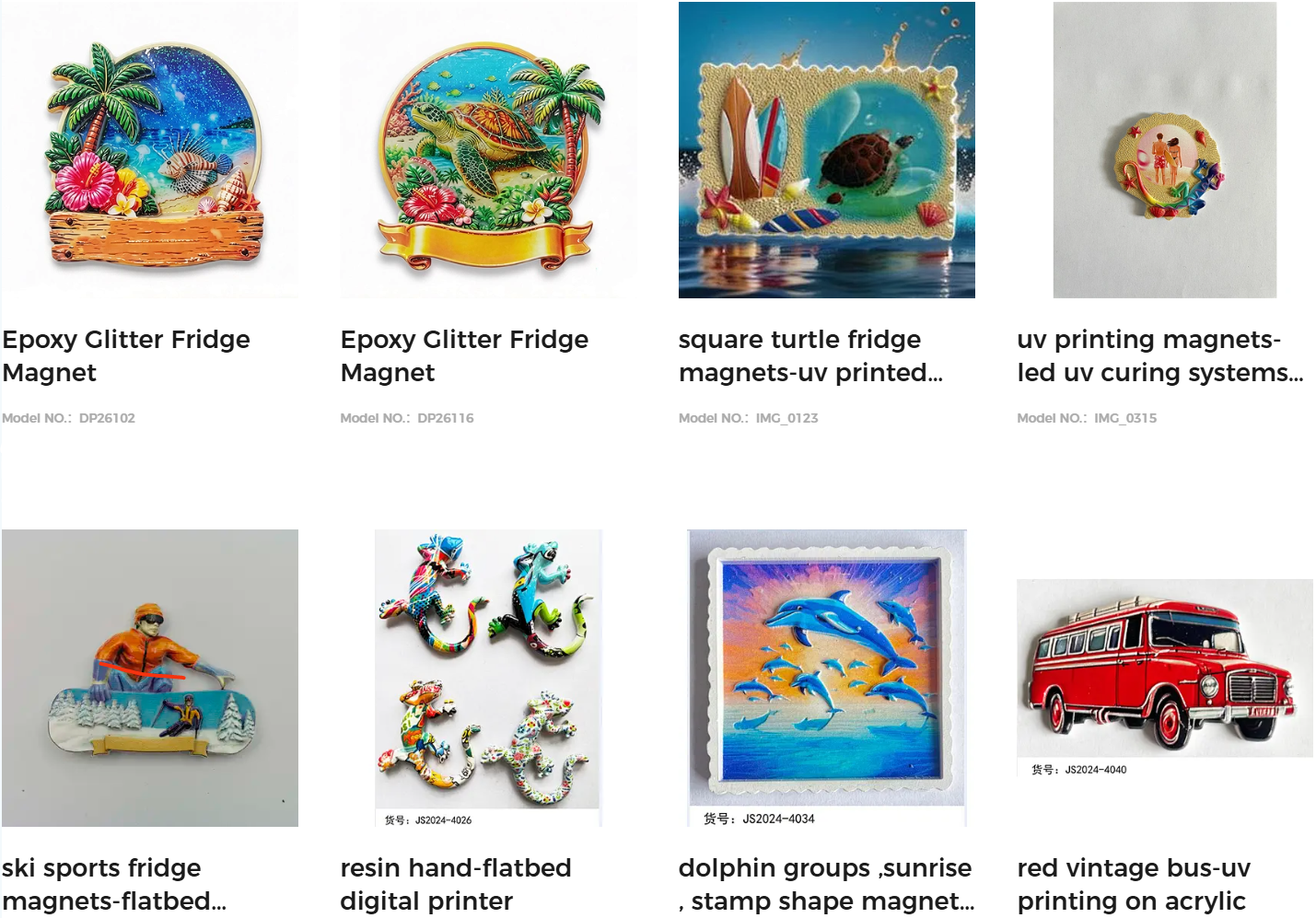
Printed fridge magnets — artwork matters most; substrate and printing method determine durability and color fidelity
-
-
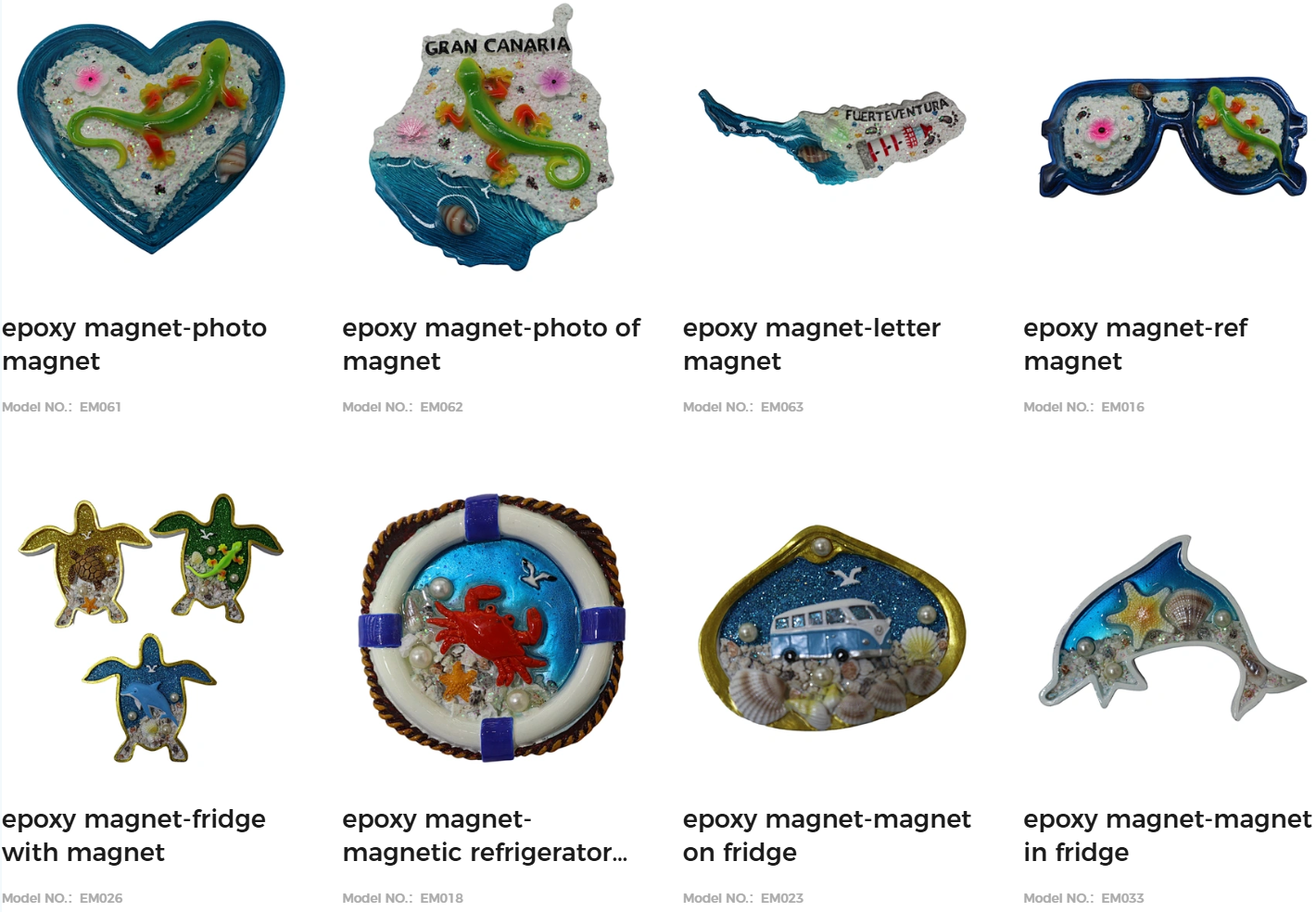
Polyresin figurines — requires 3D sculpting and mold-making; detail level drives tooling cost
-
-
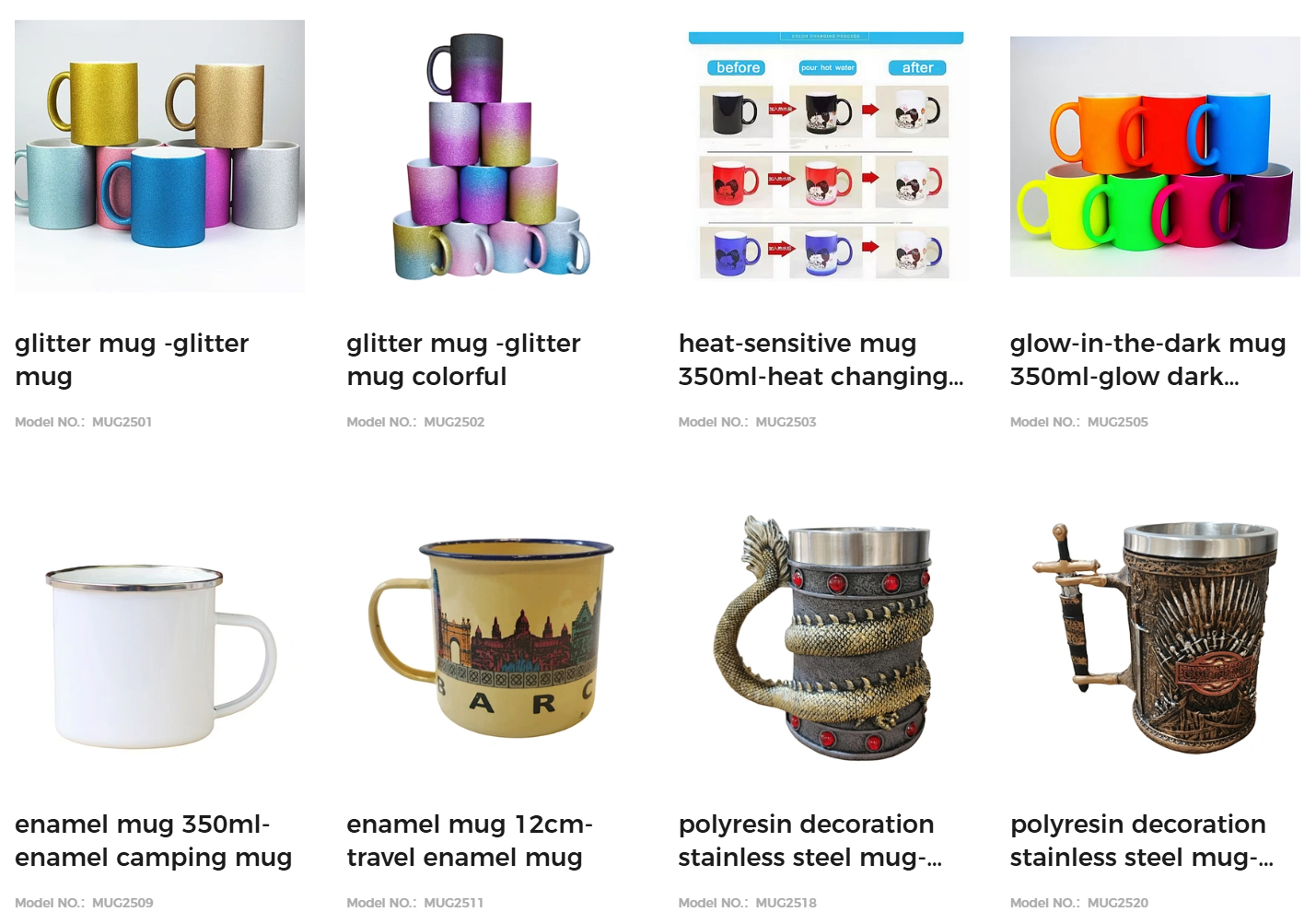
Ceramic mugs — decoration method (decal, sublimation, glaze) changes both appearance and cost
-
-
Textile bags — print method (screen, heat transfer, embroidery) affects minimums and color range
-
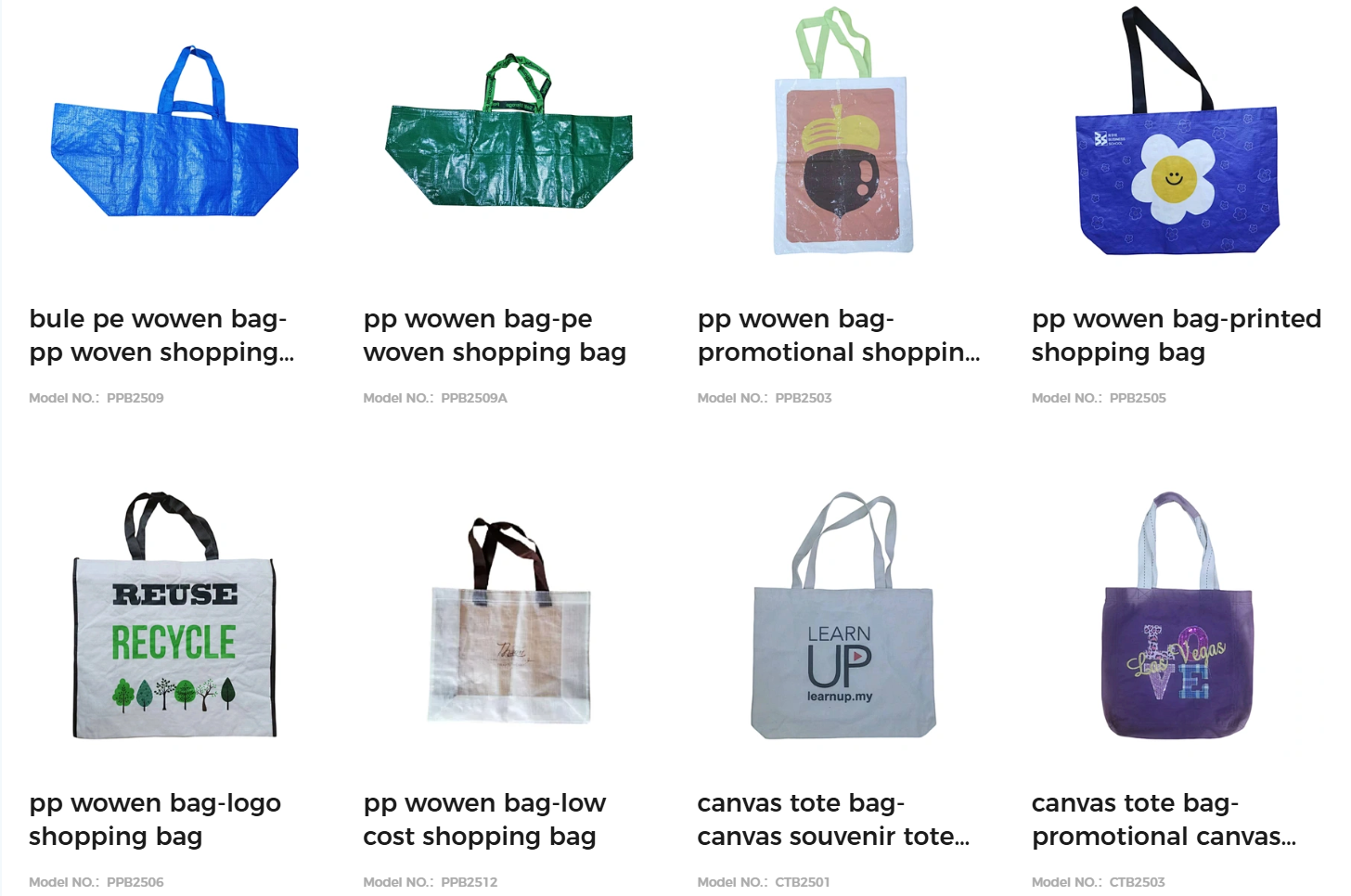
A design that looks perfect on screen may be impractical in a given process. Settle the process early.
3. Prepare Production-Ready Files
File quality is the single biggest cause of delays in custom souvenir production.
What suppliers typically need:
-
Vector files (AI, EPS, PDF) for print and engraving
-
High-resolution raster files (300 DPI minimum) where vectors are unavailable
-
Pantone or CMYK color references — never rely on screen color alone
-
Fonts outlined or supplied
-
Dimensioned drawings for shaped or 3D products
-
Clear specification sheet — material, size, finish, packaging
Ambiguous files produce ambiguous results. Invest time here and you will save weeks later.
4. Request a Prototype Before Production
Never approve a design for mass production without a physical prototype or sample.
Prototype options:
-
3D render — fast and cheap, useful for shape and proportion review, but does not confirm material or finish
-
3D-printed model — confirms form and scale
-
Hand-made sample — closest to final appearance for resin and ceramic items
-
Production sample — made using the actual process and materials
For custom designs, a production sample is the gold standard. It reveals color accuracy, surface finish, weight, and packaging fit — all things a render cannot show.
5. Confirm Tooling and MOQ Implications
Custom designs often require tooling: molds, screens, engraving plates, or print setups.
Ask explicitly:
-
Is there a tooling or mold fee? How much?
-
Who owns the tooling — you or the supplier?
-
What is the MOQ for this design?
-
Does MOQ change by color, size, or material?
-
Is the tooling cost amortized into unit price or charged upfront?
Understanding tooling ownership matters if you ever change suppliers. Own your tooling where possible.
6. Lock the Specification in Writing
Before production, both parties should sign off on a specification document covering:
-
Product dimensions and tolerances
-
Material and weight
-
Colors (with Pantone references)
-
Finish (gloss, matte, metallic, etc.)
-
Packaging (type, printing, barcodes, inserts)
-
Labeling and compliance markings
-
Inspection standard and AQL level
This document becomes the reference for quality disputes. Without it, "not what we agreed" becomes an argument rather than a claim.
7. Plan the Production and Approval Workflow
A typical custom souvenir workflow:
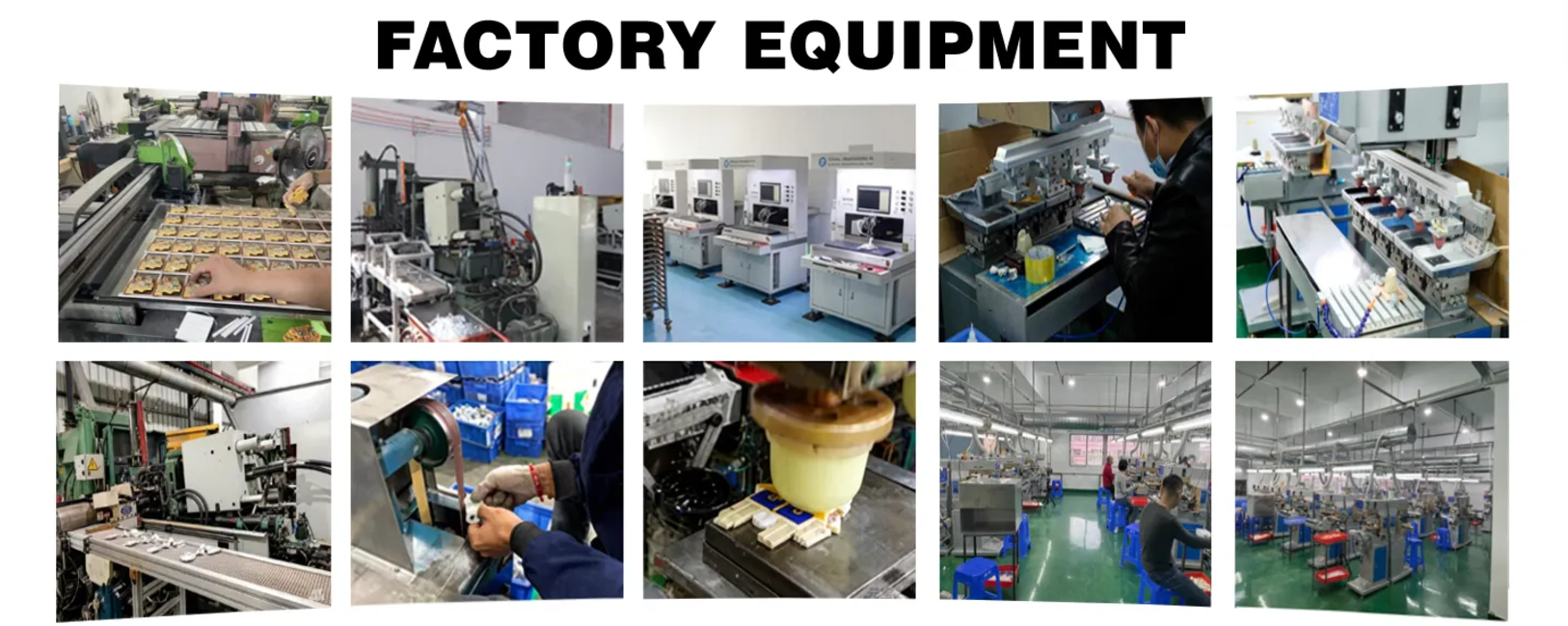
-
Design review and feasibility check
-
Quotation and tooling confirmation
-
Prototype or sample production
-
Sample approval (sign and date the golden sample)
-
Bulk production
-
In-line and pre-shipment inspection
-
Shipping and delivery
Build approval time into your schedule. Buyers who plan for two rounds of sample revisions avoid missed launch dates.
8. Protect Your Design
If your design is original and commercially valuable, take basic precautions:
-
Sign an NDA before sharing detailed artwork
-
Ask the supplier not to reproduce your design for other clients
-
Register key designs where your market allows
-
Keep proprietary elements (brand marks, unique characters) clearly documented
No supplier relationship replaces your own IP diligence.
Conclusion
Creating custom souvenirs from your own design is a structured process: define your starting point, choose the right product and process, prepare production-ready files, prototype before production, confirm tooling and MOQ, lock the specification, plan the approval workflow, and protect your design.
Follow these steps and your design moves from file to shelf predictably — with fewer surprises, lower costs, and a product that matches what you imagined.
Key takeaways:
-
Know whether your design is print-ready, a concept, or a physical sample
-
Match design to manufacturing process before finalizing artwork
-
Supply vector files and Pantone references
-
Always approve a physical sample before mass production
-
Clarify tooling ownership and MOQ upfront
-
Document the full specification and keep it signed
From Idea to Finished Product: How Custom Souvenirs Are Made
How to Build a Long-Term Souvenir Supply Chain in China
