How to Create Custom Souvenirs From Your Own Design
author: DP58
2026-09-09
How to Create Custom Souvenirs From Your Own Design
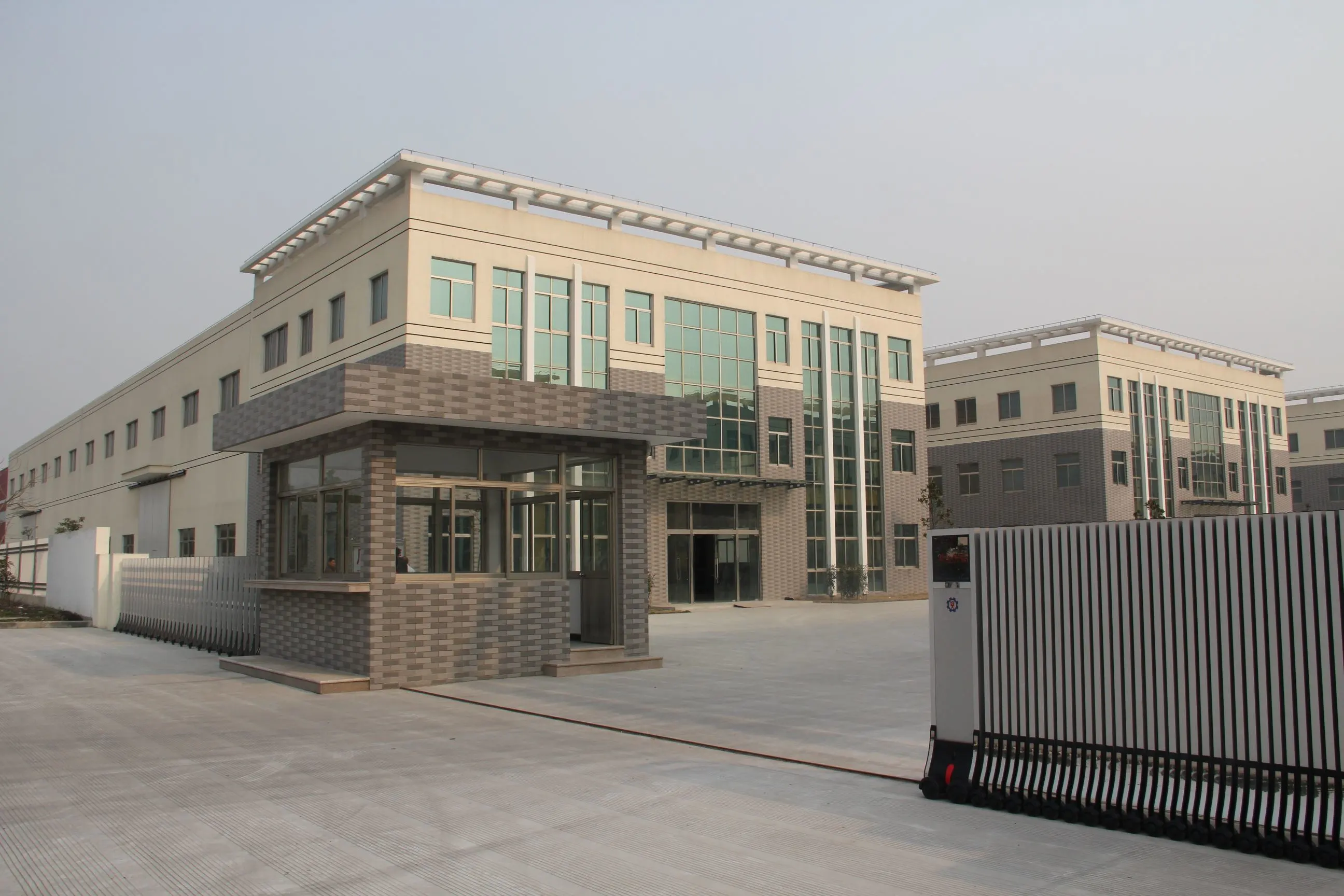
A custom souvenir can turn a place, story, landmark, or brand into something visitors can take home.
For tourist attractions, museums, theme parks, zoos, destination brands, and gift shops, customized souvenirs can create a stronger connection between the customer and the destination.
But how do you turn your own design or idea into a finished souvenir?
The process usually involves several important stages.
1. Start With Your Idea
Your idea does not need to be a finished product.
You may already have:
-
A sketch
-
A photograph
-
A logo
-
An illustration
-
A mascot
-
A landmark
-
A 3D file
-
A product reference
-
A simple concept
For example, a tourist attraction may provide photographs of its main building and ask for a small souvenir based on the architecture.
This can be enough to begin the development process.
2. Choose the Right Product Format
One idea can often be developed into several different souvenir products.
A landmark, for example, could become:
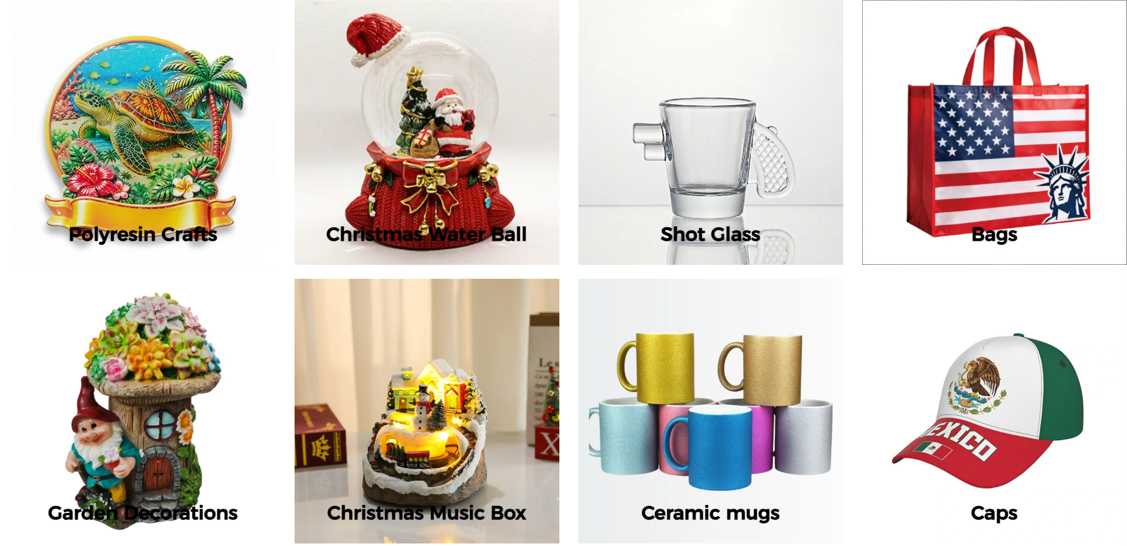
The best option depends on your target customer, retail price, product size, materials, shipping requirements, and expected order quantity.
A small fridge magnet may work well as an affordable souvenir, while a detailed polyresin model could be positioned as a higher-value collectible.
3. Prepare Your Reference Materials
The next step is to provide useful reference information.
Depending on your project, this may include:
-
Photos
-
Drawings
-
Logos
-
Color references
-
Dimensions
-
Product specifications
-
Packaging requirements
-
Examples of similar products
If your souvenir is based on a building, landmark, or sculpture, photographs from several angles can be especially useful.
Good reference materials help designers and manufacturers better understand what you want to achieve.
4. Develop the Product Concept
Your original idea may need to be adapted for manufacturing.
A design that looks good in a photograph or on a computer screen may not work exactly the same way as a physical souvenir.
Some details may need to be simplified.
Others may need to be enlarged or adjusted.
You may also need to decide:
-
Product size
-
Materials
-
Colors
-
Shape
-
Surface finishing
-
Functions
-
Packaging
The goal is to preserve the key characteristics of your idea while making the product practical to manufacture.
5. Use 3D Design and Prototyping When Necessary
Three-dimensional souvenirs may require 3D development before a physical sample is produced.
A 3D model allows the design to be evaluated from different angles.
A prototype can then help you check:
-
Proportions
-
Shape
-
Details
-
Size
-
Appearance
-
Function
At DP58, our design resources include illustrators, sculptors, and 3D-related capabilities that can support customized product development.
6. Review the Sample
Once the sample is available, carefully compare it with your original requirements.
Check:
Appearance
Does it represent the original idea correctly?
Size
Is the size appropriate for your intended retail environment?
Color
Are the colors consistent with your brand or destination?
Details
Are the important visual elements included?
Materials
Does the material provide the appearance and feel you expect?
Packaging
Is the product properly protected and suitable for retail?
If changes are necessary, communicate them before approving the final sample.
7. Select the Appropriate Manufacturing Process
Different souvenir products require different manufacturing capabilities.
For example:
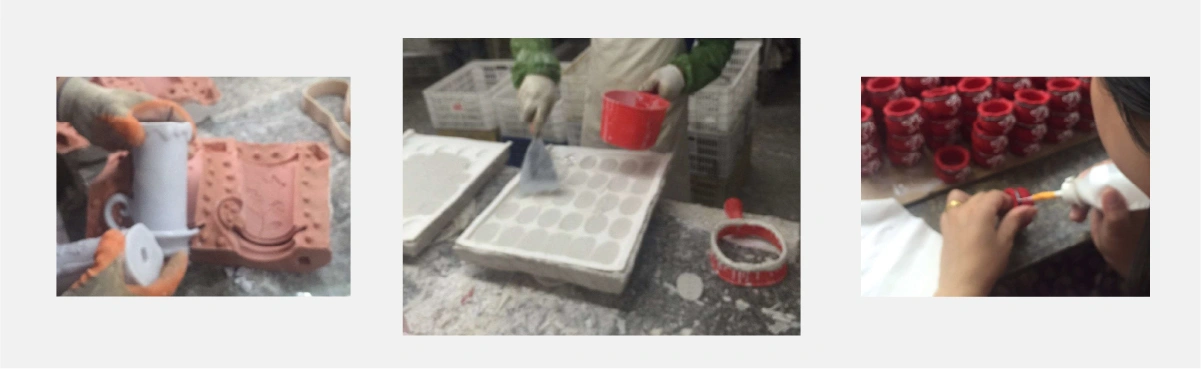
Polyresin products may require molding, painting, and detailed finishing.
Ceramic products require appropriate ceramic production and decoration processes.
Fridge magnets can be made using different materials and production methods.
Music boxes may require specialized components and assembly.
The manufacturing process should therefore be selected according to the product rather than forcing every design into the same production method.
8. Approve the Final Sample
Before mass production begins, confirm the final specifications.
These may include:
-
Dimensions
-
Materials
-
Colors
-
Artwork
-
Finishing
-
Packaging
-
-
Quantity
-
Quality requirements
The approved sample should be kept as an important reference for production and quality control.
9. Manage Production and Quality
After sample approval, mass production can begin.
During production, important quality points may include:
-
Dimensions
-
Color consistency
-
Surface finishing
-
Printing
-
Assembly
-
Product functionality
-
Packaging
Clear communication is particularly important when customized products involve multiple production processes.
10. Prepare for International Shipping
A successful custom souvenir project does not end when production is finished.
Packaging and shipping also need to be considered.
Depending on the product, protective packaging may include:
-
Individual boxes
-
Foam
-
Protective inserts
-
Inner cartons
-
Master cartons
-
Retail packaging
Fragile products require particular attention during transportation.
How Long Does Custom Souvenir Development Take?
There is no single timeline for every project.
A simple customized product may require a relatively short development process.
A more complicated product may require:
-
Design revisions
-
3D modeling
-
Prototyping
-
Mold development
-
Multiple samples
-
Packaging development
A typical development process can look like this:
Idea
↓
Product Concept
↓
Design
↓
3D Development / Prototype
↓
Sample
↓
Customer Approval
↓
Mass Production
↓
Quality Control
↓
Packaging
↓
Shipment
Clear requirements at the beginning can help reduce unnecessary revisions later.
Why Choose Custom Souvenirs?
Custom souvenirs can help businesses create products that are directly connected to their identity.
A museum can create products inspired by its collections.
A zoo can develop souvenirs based on popular animals.
A tourist attraction can turn its most recognizable landmark into a product.
A destination brand can develop a consistent collection around its visual identity.
This makes the souvenir more than a generic gift.
It becomes part of the visitor experience.
Custom Souvenir Manufacturing With DP58
DP58 combines souvenir design, manufacturing, and export capabilities to support international buyers developing customized products.
Our product categories include:
Fridge Magnets
Polyresin Crafts
Water Balls
Shot Glasses
Ceramic Mugs
Music Boxes
Bags
Caps
Garden Decorations
Our design resources can support projects from the initial concept through product development and sampling.
If you already have a finished design, we can discuss the best way to develop it into a souvenir product.
If you only have an idea, photographs, or a sketch, we can also explore possible product formats and manufacturing solutions.
Final Thoughts
Creating a custom souvenir does not necessarily begin with a finished product design.
It can start with a photograph, landmark, logo, sketch, mascot, or simple idea.
The important thing is having a clear development process:
Idea → Design → Prototype → Sample → Production → Quality Control → Shipment
With the right design and manufacturing resources, your original concept can become a physical product that visitors remember and take home.
If you have a custom souvenir idea, contact DP58 to discuss your project.
Your idea could become your next best-selling souvenir.
10 Souvenir Products Every Gift Shop and Tourist Attraction Should Consider
How to Find a Reliable Souvenir Manufacturer in China
Related Article

Learn how to source souvenirs from China, including supplier research, product selection, sampling, MOQ, quality control, shipping, and common mistakes to avoid.
A Complete Guide to Sourcing Souvenirs From China