
Factory vs. Supplier: Which Is Better for Souvenir Buyers?
author: DP58
2026-09-17
Factory vs. Supplier: Which Is Better for Souvenir Buyers?
Introduction
When you start sourcing souvenirs, one of the first decisions you need to make is whether to work with a factory or a supplier.
At first glance, they may seem similar. Both can provide quotes, both can send samples, and both can arrange shipping. But in reality, they operate very differently. The choice can affect your product quality, price, communication speed, customization options, and long-term scalability.
For souvenir buyers, there is no single “best” answer. The right choice depends on your product, order quantity, design requirements, and business model.
This guide explains the difference between a souvenir factory and a supplier, and how to decide which one is better for your situation.
1. What Is a Souvenir Factory?
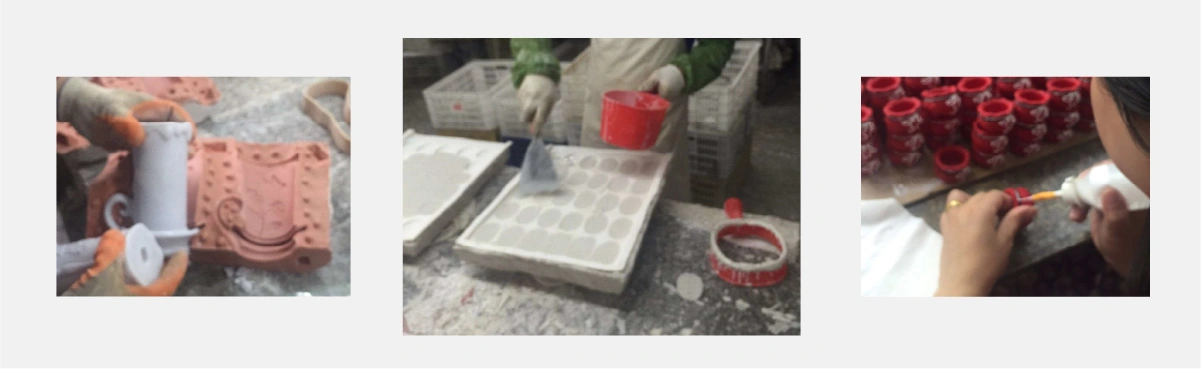
A souvenir factory is a manufacturer that produces goods directly. It owns or operates the production equipment, molds, assembly lines, and quality control process.
When you work with a factory, you are usually communicating with the people who actually make your products.
A factory typically offers:

-
Direct production
-
Custom molds and tooling
-
Material selection
-
Sampling and prototyping
-
Quality control
-
Bulk production
-
Packaging support
Factories are often specialized. For example, one factory may focus on polyresin souvenirs, another on ceramic mugs, and another on fridge magnets.
Because factories produce directly, they can often offer better pricing for large orders and more control over customization.
2. What Is a Souvenir Supplier?
A souvenir supplier is usually a trading company or intermediary. It does not necessarily manufacture products itself. Instead, it works with one or more factories and manages the order for you.
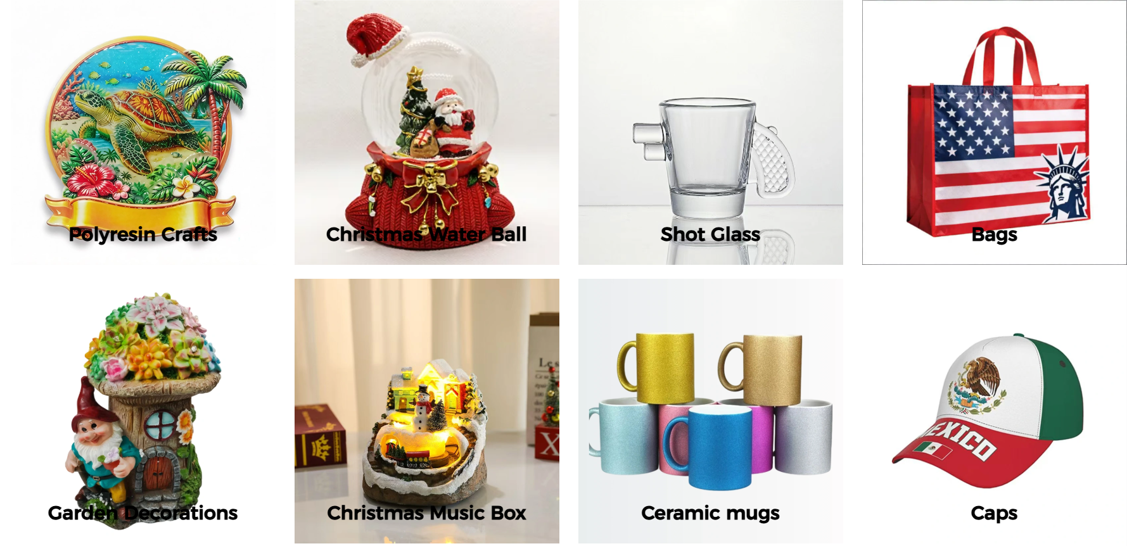
A supplier typically offers:
-
Access to multiple product categories
-
Coordination between different factories
-
Communication support
-
Order management
-
Shipping and export handling
-
Product sourcing and price negotiation
For buyers who want to order many different types of souvenirs from one contact, a supplier can be convenient. You do not need to manage five different factories for five different products.
However, because the supplier adds a margin, the price may be higher than buying directly from a factory. Communication can also be slower, because information passes through an extra layer.
3. Key Differences Between a Factory and a Supplier
To make a good decision, compare them across the areas that matter most.
Price
Factories often offer lower prices for large orders because there is no middleman margin. Suppliers may charge more, but they can sometimes negotiate better prices by combining orders across factories.
Factories often offer lower prices for large orders because there is no middleman margin. Suppliers may charge more, but they can sometimes negotiate better prices by combining orders across factories.
Customization
Factories are usually better for deep customization, such as new molds, unique materials, and complex designs. Suppliers may have less control over production details.
Factories are usually better for deep customization, such as new molds, unique materials, and complex designs. Suppliers may have less control over production details.
Product Range
Suppliers usually offer a wider product range because they work with multiple factories. A single factory is often limited to its own specialty.
Suppliers usually offer a wider product range because they work with multiple factories. A single factory is often limited to its own specialty.
Communication
With a factory, you communicate directly with production staff. With a supplier, you communicate with a sales or account manager who then talks to the factory.
With a factory, you communicate directly with production staff. With a supplier, you communicate with a sales or account manager who then talks to the factory.
Quality Control
Factories control their own production quality. Suppliers depend on the factories they work with, so quality can vary more.
Factories control their own production quality. Suppliers depend on the factories they work with, so quality can vary more.
Minimum Order Quantity
Factories may have higher MOQs because they need to cover production setup. Suppliers may offer more flexibility by combining orders.
Factories may have higher MOQs because they need to cover production setup. Suppliers may offer more flexibility by combining orders.
Lead Time
Factories can sometimes be faster for simple repeat orders. Suppliers may need extra time to coordinate between factories.
Factories can sometimes be faster for simple repeat orders. Suppliers may need extra time to coordinate between factories.
4. When a Factory Is the Better Choice
A factory is often the better choice when:
-
You need custom molds or unique designs
-
You are ordering a single product category in large quantity
-
You want the best possible unit price
-
You need direct control over materials and quality
-
You plan to reorder the same product many times
-
You want to build a long-term supply relationship
For example, if you are a gift shop chain ordering 20,000 custom polyresin fridge magnets, working directly with a polyresin factory usually makes sense.
5. When a Supplier Is the Better Choice
A supplier is often the better choice when:
-
You need many different product categories
-
You want one contact for the whole order
-
Your order quantity is small
-
You do not want to manage multiple factories
-
You need help with shipping and export
-
You are testing a new market
For example, if you are a new online store wanting to test 10 different souvenir products in small quantities, a supplier can simplify the process.
6. The Hybrid Approach
Many experienced buyers use a hybrid approach. They work directly with factories for their core products and use suppliers for secondary or test products.
This gives them:
-
Better pricing on high-volume items
-
More flexibility on low-volume items
-
A wider product range
-
Reduced supplier risk
If you are scaling a souvenir business, this is often the most practical long-term strategy.
7. How to Tell If a “Factory” Is Really a Factory
Many suppliers present themselves as factories. To verify, ask:
-
What is your factory address?
-
Can I see photos or video of the production line?
-
What machines do you use?
-
Do you own the molds?
-
Can I visit the factory?
-
What is your production capacity?
-
Do you subcontract any processes?
A real factory can answer these questions clearly. A supplier may avoid details or give vague answers.
8. Questions to Ask Both Factories and Suppliers
Whether you choose a factory or a supplier, ask:
-
What is your MOQ?
-
What is your sample lead time?
-
What is your production lead time?
-
How do you control quality?
-
What are your payment terms?
-
How do you handle defective products?
-
Can you customize packaging?
-
What shipping methods do you offer?
Their answers will tell you a lot about their professionalism and reliability.
Conclusion
Factories and suppliers both have a place in souvenir sourcing. Factories are usually better for customization, price, and quality control on large orders. Suppliers are better for convenience, product variety, and small orders.
The best choice depends on your product, order size, and long-term plan. If you are serious about building a souvenir business, consider starting with a supplier for testing and moving to direct factory partnerships for your core products.
A Complete Guide to Sourcing Souvenirs From China
10 Souvenir Products Every Gift Shop and Tourist Attraction Should Consider
