
A Complete Guide to Sourcing Souvenirs From China
author: DP58
2026-09-18
A Complete Guide to Sourcing Souvenirs From China
Introduction
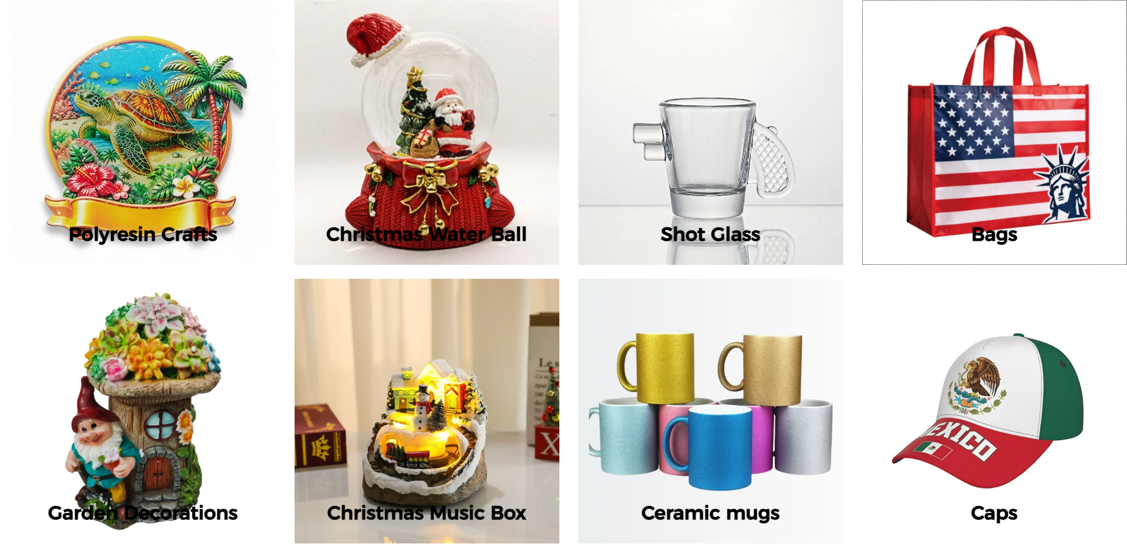
China is the world’s largest producer of souvenirs, gifts, and promotional products. From fridge magnets and ceramic mugs to polyresin figurines and snow globes, Chinese factories supply gift shops, tourist attractions, museums, and brands around the world.
But sourcing souvenirs from China is not as simple as sending a design and waiting for delivery. It requires preparation, supplier research, sampling, quality control, and logistics planning.
Many buyers make costly mistakes because they skip important steps. This guide walks you through the complete process of sourcing souvenirs from China.
1. Why Source Souvenirs From China?
China offers several advantages for souvenir buyers:
-
Wide product range
-
Competitive pricing
-
Custom manufacturing capability
-
Established export infrastructure
-
Experienced factories for many materials
-
Fast production for repeat orders
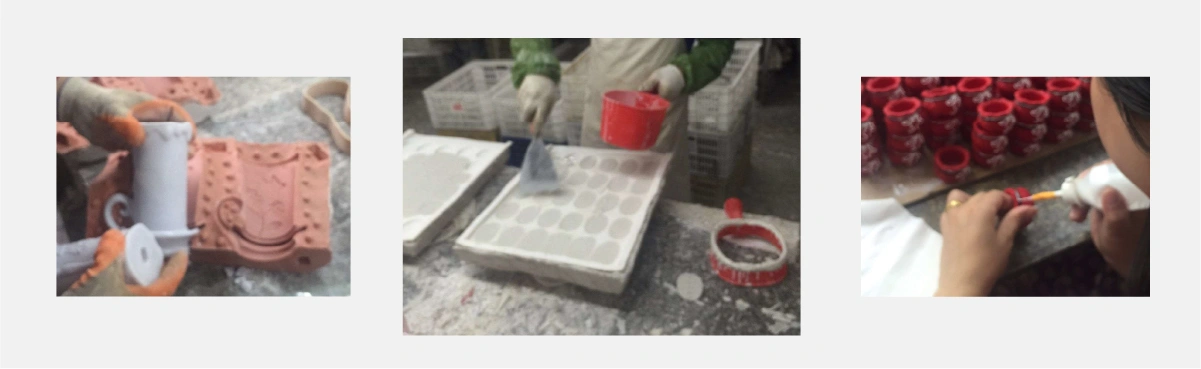
For many souvenir categories, especially polyresin, ceramic, glass, and metal items, China has a mature supply chain that is hard to match elsewhere.
However, sourcing from China also has challenges:
-
Communication barriers
-
Quality inconsistency
-
Long shipping times
-
Cultural differences
-
Difficulty verifying suppliers
The key is to follow a structured sourcing process.
2. Define Your Product Requirements
Before contacting suppliers, define exactly what you need.
Prepare:
-
Product type
-
Size and weight
-
Material
-
Design files or reference images
-
Target price
-
Estimated quantity
-
Packaging requirements
-
Target market
-
Compliance requirements
The more detailed your brief, the more accurate the quotes you will receive.
For example, “custom fridge magnet” is too vague. “Custom polyresin fridge magnet, 60mm x 80mm, full-color printing, magnetic backing, individual poly bag, 5,000 pieces” gives suppliers enough information to quote properly.
3. Find Reliable Souvenir Suppliers in China
There are several ways to find suppliers:
-
B2B platforms such as Alibaba
-
Trade shows such as Canton Fair
-
Industry directories
-
Referrals from other buyers
-
Google searches
-
Social media and professional networks
When evaluating a supplier, check:
-
Years in business
-
Product specialization
-
Export experience
-
Certifications
-
Customer reviews
-
Response speed
-
Sample quality
Do not choose a supplier based only on the lowest price. Cheap quotes often lead to poor quality, delays, or hidden costs.
4. Verify the Supplier
Verification is essential. Before placing an order, confirm:
-
Business license
-
Factory address
-
Production capability
-
Main products
-
Export markets
-
Quality control process
-
Payment terms
You can also:
-
Request a video factory tour
-
Ask for photos of the production line
-
Request references from existing customers
-
Use a third-party verification service
If the order value is high, consider visiting the factory or hiring an inspection agent.
5. Request Samples
Never place a mass production order without a sample.
A sample helps you check:
-
Material quality
-
Color accuracy
-
Size and weight
-
Printing quality
-
Magnet strength
-
Packaging
-
Overall workmanship
For custom souvenirs, you may need to pay for a sample and mold cost. This is normal. The sample cost is usually refundable or deductible from the bulk order.
Review the sample carefully and provide clear feedback. If changes are needed, request a revised sample before production.
6. Understand MOQ, Price, and Payment Terms
MOQ, or minimum order quantity, is the smallest quantity a factory will produce. MOQs vary by product, material, and customization level.
Ask:
-
What is the MOQ for this product?
-
Can MOQ be mixed across designs?
-
Is the MOQ lower for stock items?
-
What is the price at different quantities?
-
What are the payment terms?
Common payment terms include:
-
30% deposit, 70% before shipment
-
50% deposit, 50% before shipment
-
Full payment for small orders
-
Letter of Credit for large orders
Always confirm payment terms in writing.
7. Confirm Production Details
Before production starts, confirm:
-
Final design files
-
Material specification
-
Color references
-
Packaging artwork
-
Labeling requirements
-
Barcode and price tag
-
Carton size and weight
-
Shipping marks
Ask for a production schedule and a pre-production sample if needed. This reduces the risk of misunderstandings.
8. Arrange Quality Control
Quality control is one of the most important steps in sourcing from China.
Options include:
-
In-house QC by the factory
-
Third-party inspection
-
Pre-shipment inspection
-
During-production inspection
A typical inspection checks:
-
Quantity
-
Appearance
-
Function
-
Printing
-
Packaging
-
Carton condition
-
Compliance with your specifications
If you cannot visit the factory, hiring a third-party inspection company is a smart investment. It can save you from receiving a container of defective products.
9. Plan Shipping and Logistics
Shipping options include:
-
Sea freight for large orders
-
Air freight for urgent orders
-
Express courier for small samples
-
Rail freight for certain routes
Consider:
-
Shipping cost
-
Transit time
-
Customs duties
-
Import regulations
-
Insurance
-
Incoterms such as EXW, FOB, CIF, or DDP
For first-time buyers, FOB is often the most common term. It means the supplier delivers the goods to the port, and you handle the rest.
Work with a freight forwarder who understands your product category and destination market.
10. Common Mistakes to Avoid
Avoid these common sourcing mistakes:
-
Choosing a supplier based only on price
-
Skipping samples
-
Not verifying the supplier
-
Ignoring MOQ and lead time
-
Not confirming packaging details
-
Skipping quality inspection
-
Underestimating shipping time
-
Failing to plan for customs clearance
-
Not having a backup supplier
A little preparation can prevent expensive problems.
Conclusion
Sourcing souvenirs from China can be highly profitable, but it requires a structured approach. Define your product, find and verify reliable suppliers, request samples, confirm production details, arrange quality control, and plan logistics carefully.
If you are new to sourcing, start with a small trial order. Learn the process, build relationships, and scale gradually. With the right supplier and process, China can be a strong manufacturing base for your souvenir business.
Factory vs. Supplier: Which Is Better for Souvenir Buyers?
